
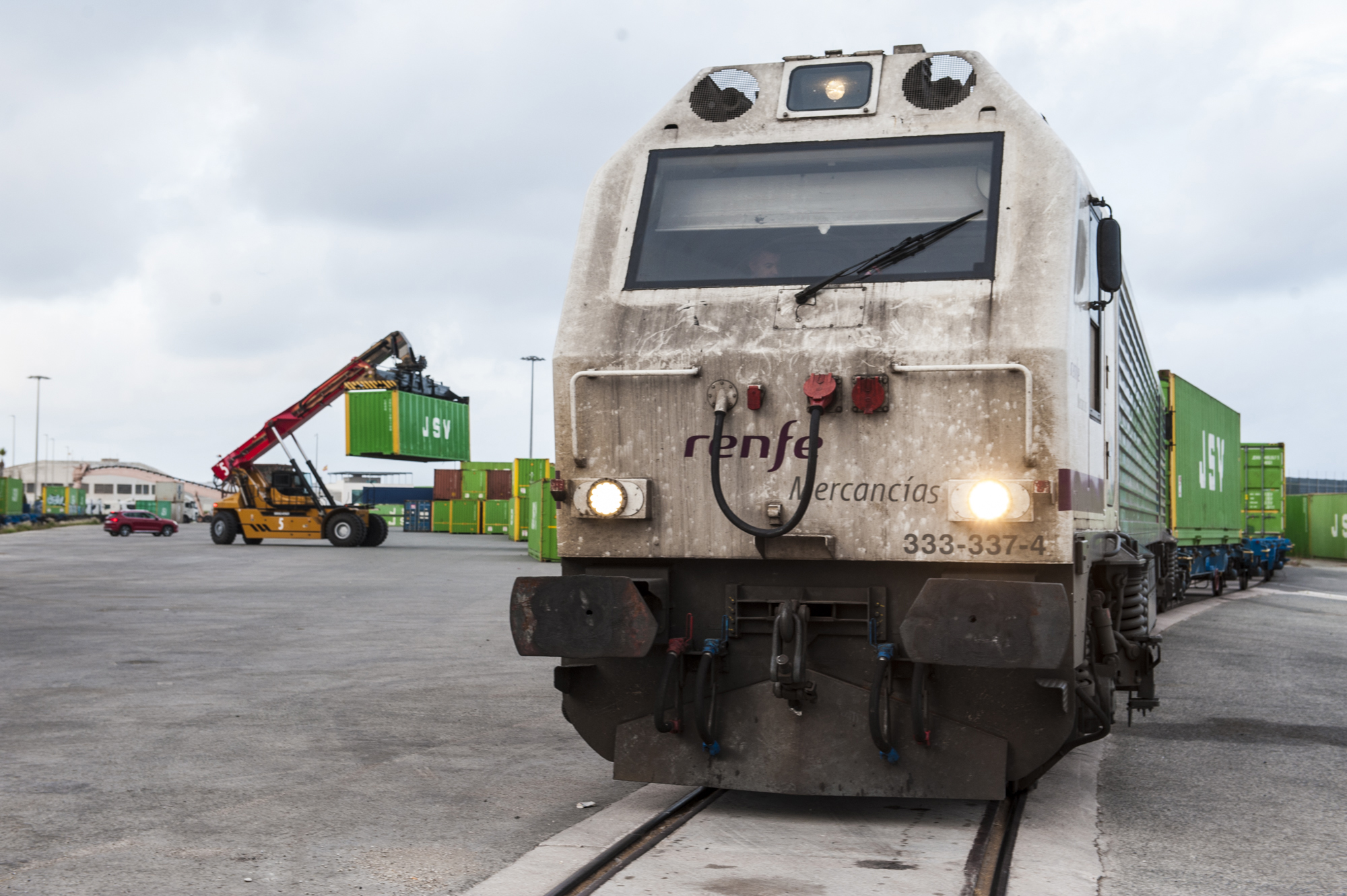
Container traffic maintains a positive trend and RORO traffic more than doubles
The performance of the main commercial traffic segments demonstrates the strength of the model introduced by Rodríguez
Alicante – January 30, 2026. – The Port of Alicante closes the 2025 financial year by consolidating its focus on higher value-added traffic, with sustained growth in the strategic segments of general cargo, container traffic, and RORO. These increases reflect the port’s strong operational performance and the effectiveness of the roadmap set by the President of the Port Authority, Luis Rodríguez, which is focused on sustainable growth and traffic diversification.
Although total traffic reached 2,906,944 tonnes—6.9% less than in 2024, a decline driven by lower international demand for aggregates—the performance of the main commercial traffic segments demonstrates the robustness of the model. Across the Spanish port system as a whole, traffic also fell slightly (–0.2%), affected by the slowdown in global trade, higher freight rates, and energy price volatility during the year.
General cargo traffic at the Port of Alicante grew by 12.5%, increasing from 1.237 to 1.392 million tonnes, driven by the expansion of international shipping lines and increased commercial exchange within the province. Imports rose by 37.8% and exports by 21.7%, confirming the Port’s role as an essential tool for enhancing the competitiveness of Alicante’s productive sectors.
Container traffic continued its positive trend, reaching 1.259 million tonnes—9% more than the previous year. Measured in TEUs (20-foot containers), 193,416 units were handled, representing growth of 7%, well above the national average (+2.7%). This traffic, predominantly short-sea shipping, strengthens connectivity with the Canary Islands and other Spanish ports, supported by the port’s freight rail connections.
One of the most notable figures is the increase in RORO traffic, which more than doubled (+120%) to exceed 87,000 tonnes, thanks to the consolidation of routes with the Middle East focused on the transport of tractor units and machinery. This result confirms the Port’s ability to adapt to new logistics demands and diversify its service offering.
Solid bulk traffic, meanwhile, fell by 20.4% (from 1.796 to 1.430 million tonnes) due to lower demand for aggregates, although signs of recovery were observed in the final quarter. It is important to note that, while solid bulk cargo still represents a significant share of total traffic, its impact on the Port’s economic results is limited compared to the higher value added generated by the growing traffic segments.
In terms of overall port activity, the number of vessel calls increased by 12%, approaching 1,000 calls, while total gross tonnage rose by 20.2% to 21.5 million tonnes, confirming the arrival of larger-capacity vessels.
In the tourism sector, cruise traffic also increased, with 103 calls (+3%) and more than 252,000 passengers (+7.5%), consolidating Alicante as a benchmark destination in the western Mediterranean.
“Growth in strategic traffic segments shows that we are doing things right, aligned with our sustainable development plan and with the productive economy of the province,” said Luis Rodríguez, President of the Alicante Port Authority, highlighting the Port’s role as “an engine serving the economic development of the province of Alicante.”
[1] Provisional figures, pending final closure.
Source: puertoalicante.com


